Establishing a private, independent utility infrastructure represents one of the most proactive steps a property owner can take to secure long-term physical resource stability. Across both rural residential properties and high-density commercial developments, capturing and redirecting natural precipitation forms the bedrock of modern, eco-conscious property management. Relying exclusively on municipal grids exposes users to rising utility rates, seasonal extraction limits, and treatment chemicals that can alter fluid composition. Integrating a structured rainwater harvesting framework by investing in a comprehensive gutter installation allows individuals to capture raw rooftop runoff efficiently, creating a self-sustaining asset loop that lowers reliance on centralized municipal networks.
Developing an efficient water collection system requires a complete understanding of structural mechanics, fluid dynamics, and long-term building envelope protection. The initial alignment phases involve far more than simply affixing horizontal channels to your roofline; they require an intricate analysis of catchment square footage, pitch calculations, and debris filtration parameters. Working with a fully equipped gutter installation team ensures that your external drainage features are specifically engineered to handle peak regional downpours while shielding your primary foundation lines from subsurface soil saturation. This comprehensive look at water capture paths highlights how modern mechanical configurations can streamline your external utilities and permanently protect your underlying real estate equity.
Understanding Rainwater Harvesting Frameworks
The systematic collection of rooftop runoff functions as a highly practical method for offsetting household water demands and managing heavy localized stormwater surges. When precipitation strikes a finished roof surface, the fluid moves down the architectural pitch where horizontal collection troughs intercept the stream before it can cascade over exterior siding. Directing this water through fine mesh screens and downspout diversions allows property owners to store hundreds of gallons of soft, chemical-free water for lawn irrigation, vehicle washing, and secondary household plumbing systems. This ancient resource management philosophy has experienced a massive modern revival as climate shifts and localized droughts place unprecedented pressure on public reservoirs.
The expanding global shift toward sustainable home design and decentralized water independence has accelerated the adoption of these innovative catchment systems across both residential and commercial sectors. According to data provided by Research and Markets, the worldwide rainwater harvesting systems market was projected to expand from 1.94 billion dollars in 2024 to 2.1 billion dollars by 2025, moving forward at a compound annual growth rate of 8.5%. This prominent financial trajectory highlights how modern property owners view sustainable drainage components not as optional cosmetic additions, but as critical, value-adding property infrastructure.
Analyzing the Core Functionality of Gutters
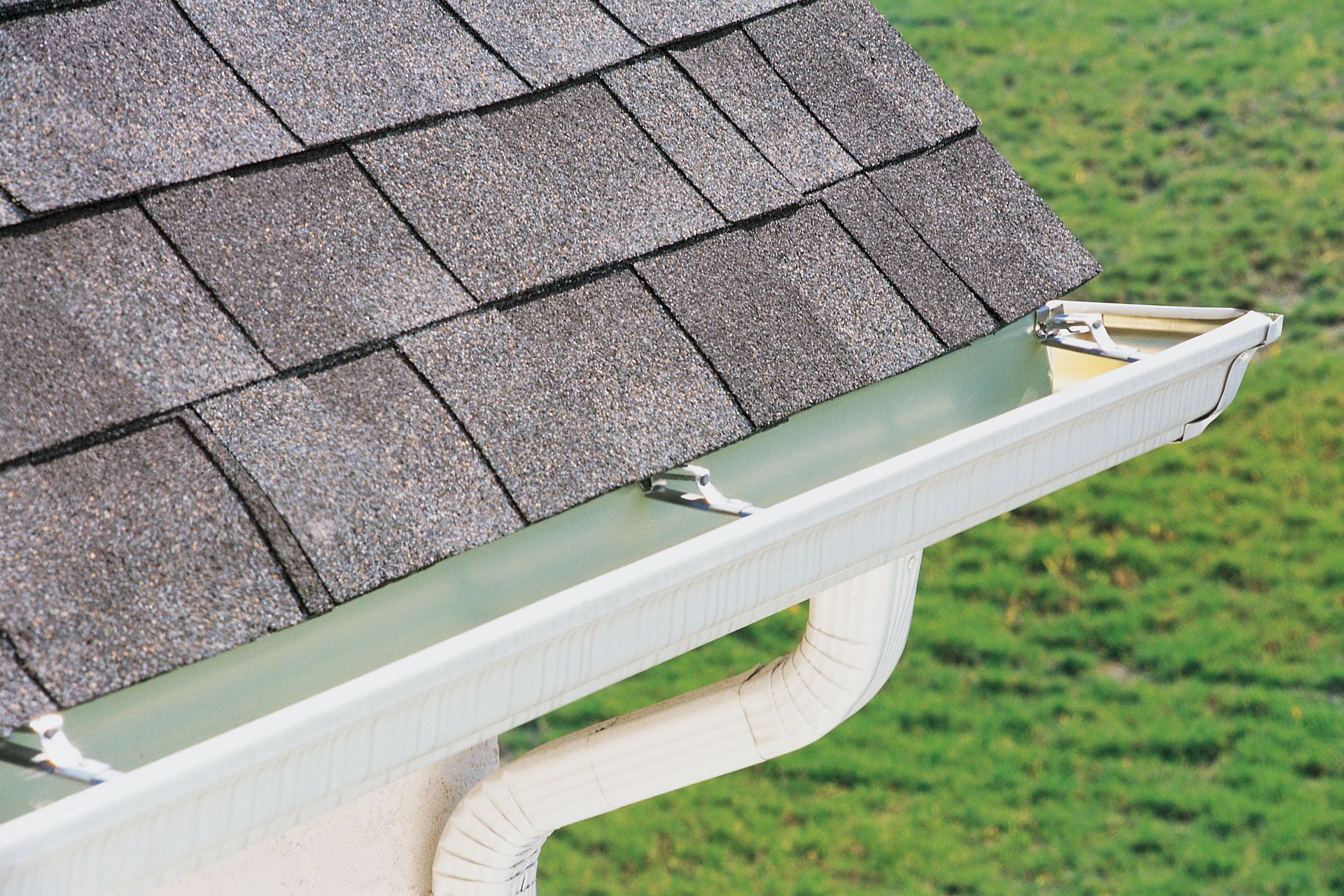
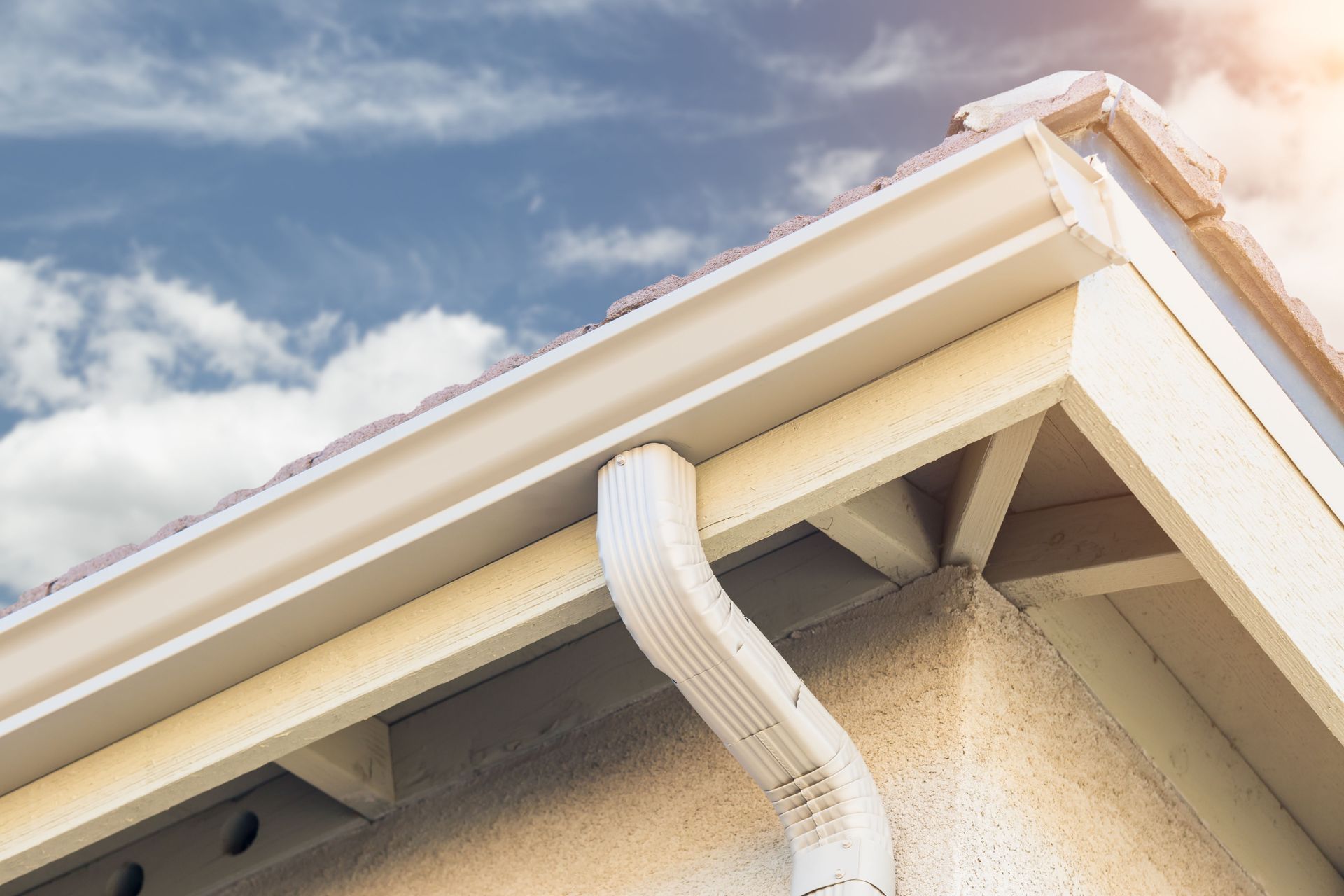
The horizontal troughs lining your roof fascia serve as the primary intake mechanism for your entire water harvesting framework. If these channels are undersized, improperly sloped, or plagued by leaky seams, a significant percentage of available rainfall will spill over the front lip, resulting in lost resource potential and localized soil erosion. Coordinating a precise gutter installation ensures that your building envelope features the exact volume capacity needed to capture heavy downpours, maximizing your storage tank refilling cycles during brief storm events.
Preventing Catastrophic Foundation Settlement
Beyond acting as a regular collection pipeline for your cistern systems, functional roof drainage features provide an indispensable layer of protection for your underlying concrete foundation. Allowing unchanneled stormwater to drop straight from the roof edge saturates the structural soil perimeter, causing basement wall leaks, crawlspace mold growth, and deep foundation settling.
- Channeling hydrostatic pressure away from the basement structural walls.
- Preventing the localized washing away of protective landscape topsoil and grading.
- Eliminating fascia board rot by keeping the roof edge moisture moving continuously.
Maintaining clean, unobstructed flow paths safeguards your primary real estate investment from invasive moisture problems, keeping your structure balanced and dry through severe seasonal changes.
Selecting Gutter Specifications and Materials
Choosing the ideal trough shape directly affects both the visual look of your roofline and the hydraulic capacity of your collection system. Standard K-style profiles resemble classic crown molding and feature a flat back that mounts flush against the fascia board, allowing them to carry a greater volume of water than traditional shapes. For historic renovations or minimalist designs, half-round systems offer a smooth interior curvature that minimizes debris accumulation and simplifies routine cleanings.
Evaluating Structural Material Durability
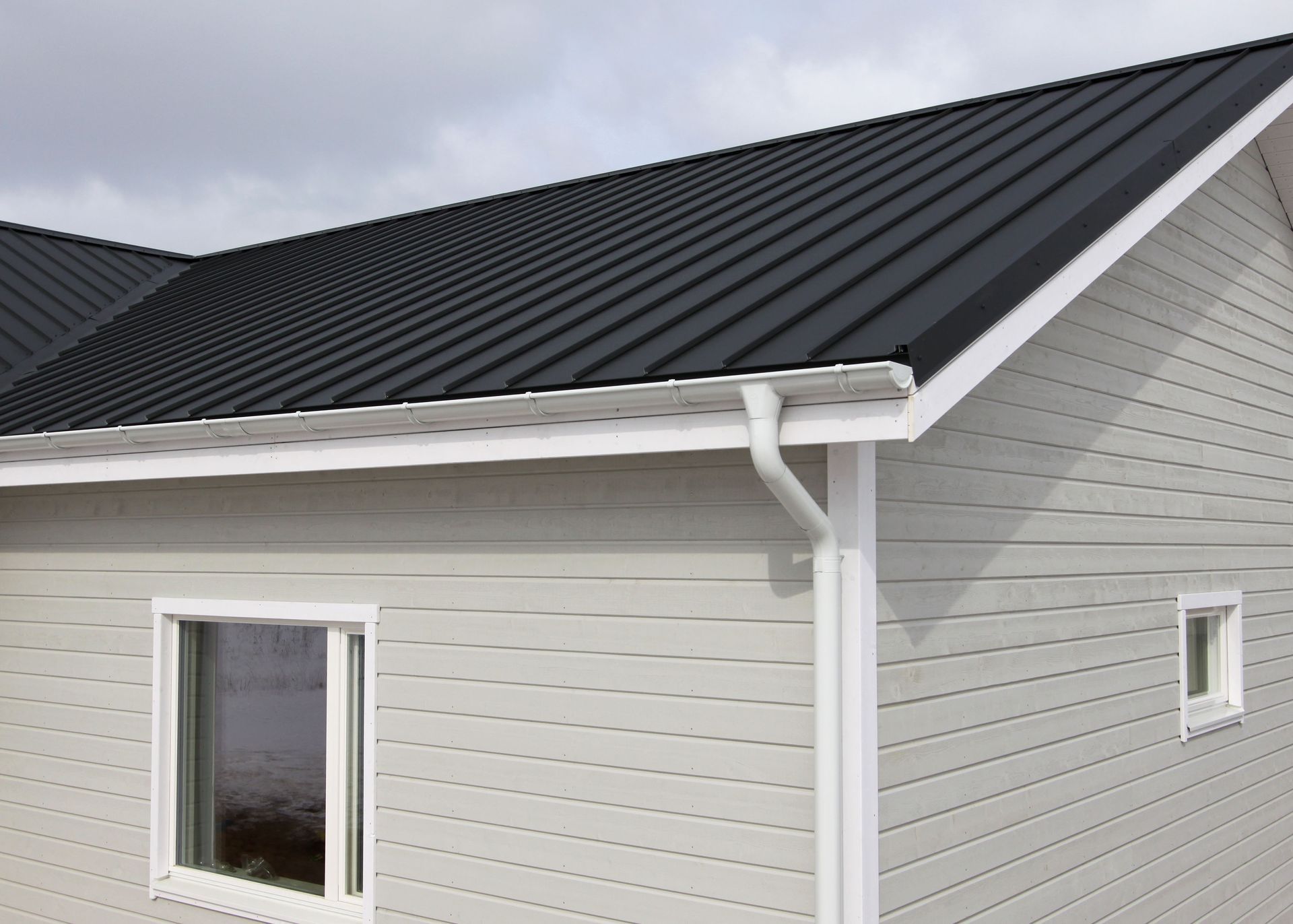
The physical composition of your exterior drainage network dictates its long-term resistance to thermal expansion, heavy snow loads, and constant fluid exposure. Seamless aluminum represents the most popular choice for modern projects, offering a lightweight, rust-proof framework that can be custom-extruded on-site to match the exact dimensions of your roofline. For luxury properties seeking exceptional longevity, heavy-gauge copper provides an elegant, self-patinating structure that resists physical deformation and functions reliably for decades.
Optimizing Systems for Maximum Harvesting Efficiency
Keeping your stored water clear of organic materials requires installing multiple layers of mechanical filtration along your downspout channels. Micro-mesh guards stop leaves, pine needles, and bird debris from entering the main flow lines, keeping your downspouts completely clear of restrictive blockages. Additionally, first-flush diverters isolate the initial few gallons of rooftop runoff—which typically carry the highest concentration of surface dust and roof sediment—ensuring that only clean, clear water reaches your storage cistern.
Retrofitting Seamless Elements Onto Existing Structures
Modifying an older building to support modern water conservation goals requires careful field adjustments to align new collection features with pre-existing roofing components. Technicians must check the structural health of your existing sub-fascia boards, adjust downspout locations to match your storage tanks, and recalculate catchment metrics to ensure peak operational harmony.
- Extruding seamless runs to eliminate weak joints and mid-span leaks.
- Recalculating drop elevations to keep water moving toward downspout junctions.
- Securing heavy-duty hidden hangers into structural rafter tails for maximum load support.
Investing in an expert gutter installation removes the structural flaws that cause premature system sagging, keeping your home's exterior lines looking sharp while boosting your water collection potential.
Implementing Post-Installation Maintenance Practices
Sustaining peak water collection metrics across changing seasons requires regular maintenance checkups to clear out stray organic materials and check structural connections. Property owners should inspect their collection runs after heavy windstorms to ensure that downspout filters remain clear and leaves have not compromised the initial mesh screens. Catching minor clogs early prevents water from backing up beneath your shingles, keeping your roofline safe from expensive water damage.
Protecting Real Estate Equity and Appraisals
Properties that feature professional water management networks and sustainable resource controls naturally command a premium on the competitive real estate market. Savvy buyers search for homes that incorporate lower operating costs, smart flood protections, and high-quality exterior upgrades. Documenting your professional installations provides a clear competitive edge during property appraisals, showing potential buyers that your home has been maintained to strict professional standards.
Taking an active approach to your roof drainage protects your siding from mold growth, guards your foundation against settlement, and delivers a valuable supply of clear rainwater for your property's needs. Partnering with a licensed gutter installation team ensures that your slope calculations, seamless extensions, and specialized filtration systems are configured with absolute technical accuracy. Addressing old, leaking sections early eliminates unexpected restoration costs, preserves your manufacturer's hardware warranties, and transforms your drainage system into a reliable property asset.
When your custom residence or commercial facility requires experienced site evaluations, detailed water harvesting integrations, or specialized gutter installation, working with a dedicated local crew keeps your project on schedule. Contact Gish's Gutters LLC to coordinate a comprehensive on-site system assessment with our technicians.